
Project Overview
ArpClean is an application designed to optimize hotel cleaning services. It offers
comprehensive
management tools for companies to oversee staff, schedules, contracts, and more. With dual
interfaces, companies can manage operations, while hotels track services—ensuring seamless
communication and high-quality delivery.
Design Challanges
- Role-Based Interfaces: Tailoring interfaces for diverse user roles.
- User-Friendly Navigation: Simplifying access to complex features.
- Scalability: Ensuring design can grow with user and data expansion.
- Data Visualization: Clear and effective presentation of data.
- Localization: Supporting multiple languages and regions.
- User Onboarding: Simplifying the learning curve for new users.
- Customization: Allowing for interface and workflow personalization.
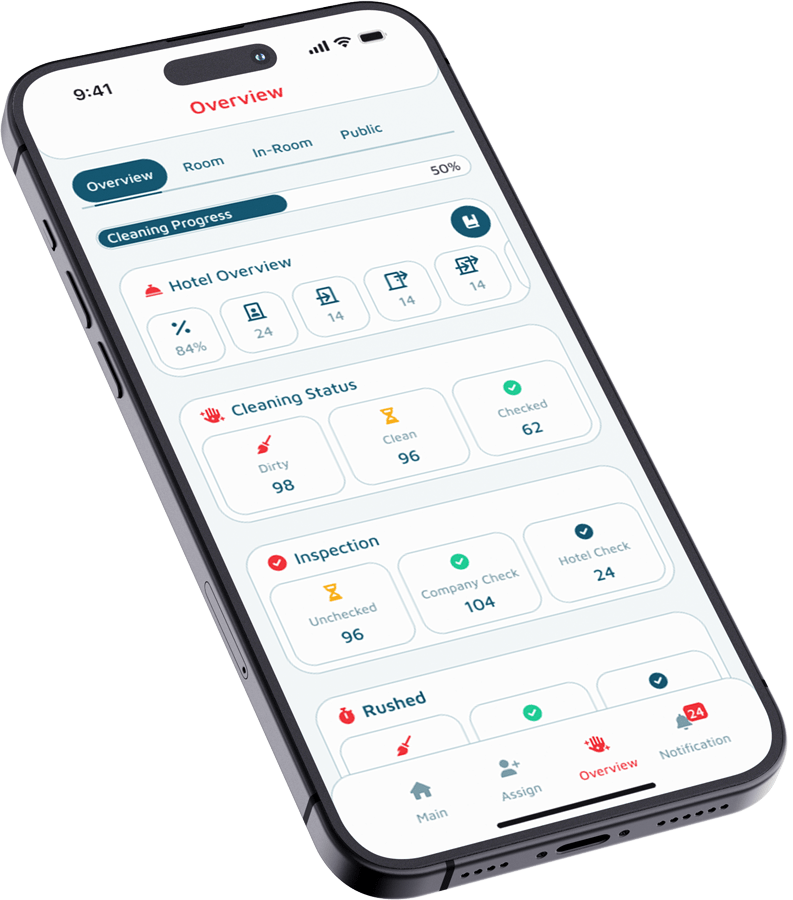
The Goal
ArpClean streamlines hotel cleaning for companies and clients, emphasizing efficiency, quality, and
seamless communication through intuitive interfaces and real-time updates.
My Role
As the UI/UX Designer for ArpClean, I'm tasked with crafting an intuitive interface for seamless
interaction between cleaning companies and hotel clients. This involves user research, wireframing,
visual design, usability testing, and iterative refinement.
Responsibility
As the UI/UX Designer for ArpClean, I'm tasked with understanding user needs, designing intuitive
interfaces, creating prototypes, testing user experience, and collaborating with stakeholders for
effective implementation.
Start
ArpClean's project research focused on understanding the needs of cleaning companies and hotel
clients, guiding the development of intuitive interfaces and efficient workflows to enhance
operational efficiency and communication.
- What are the primary pain points experienced by cleaning companies in managing hotel cleaning services?
- How do hotel managers coordinate and track cleaning services with external cleaning companies, and what challenges do they encounter in this process?
- What are the essential features or functionalities desired by both cleaning companies and hotels in a cleaning service management application?
- How do users currently manage cleaning schedules, contracts, and personnel, and what limitations do they face with existing methods?
- What are the most effective communication channels between cleaning companies and hotels, and how can they be integrated into a digital platform?
- What are the common pain points during the inspection and quality control process for cleaning services, and how can technology address these challenges?
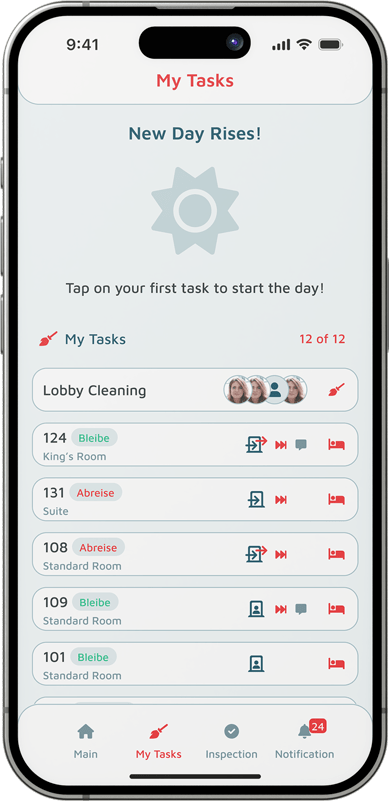
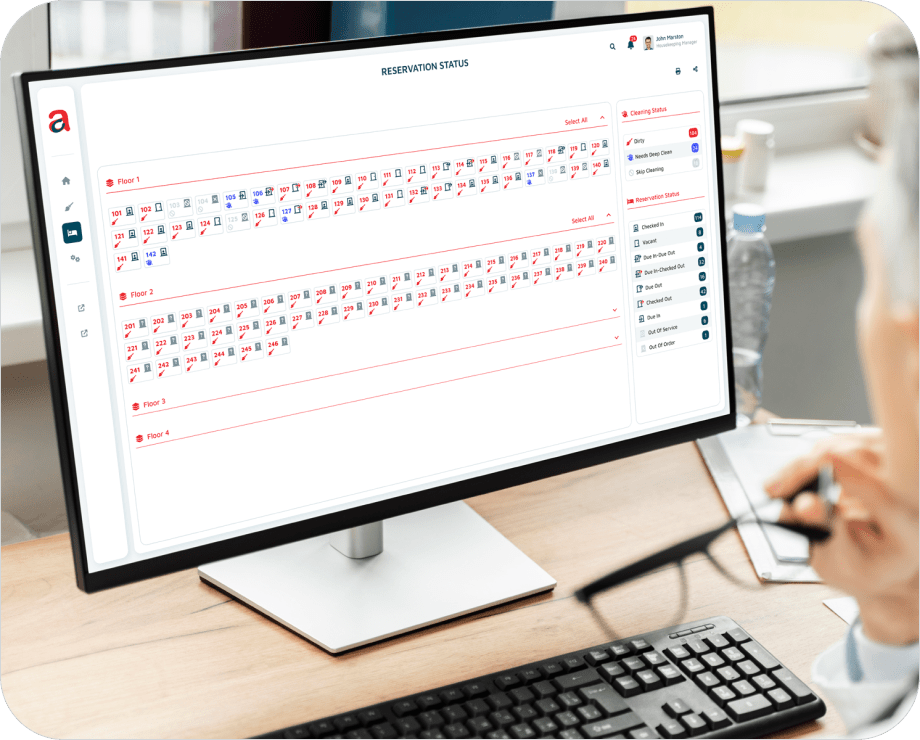
User Challanges
User research for ArpClean highlighted key needs: streamlined communication and efficient management
for cleaning companies, visibility and streamlined processes for hotel managers, efficient sales
tracking for account managers, and clear task management for room attendants. These insights guide
ArpClean's development for enhanced efficiency and communication.
Visibility and Oversight
Users' limited visibility into cleaning schedules, tasks, and performance metrics hampers
decision-making, proactive problem-solving, and service quality consistency.
Communication
Users struggle to communicate effectively with each other and external stakeholders like
cleaning companies or hotel clients, leading to misunderstandings, delays, and impacting
service quality.
Task Management Complexity
Efficiently managing tasks, schedules, and personnel is challenging, especially for
roles
like room attendants and cleaning company administrators. Without streamlined tools,
tasks
become overwhelming, leading to inefficiencies and errors.
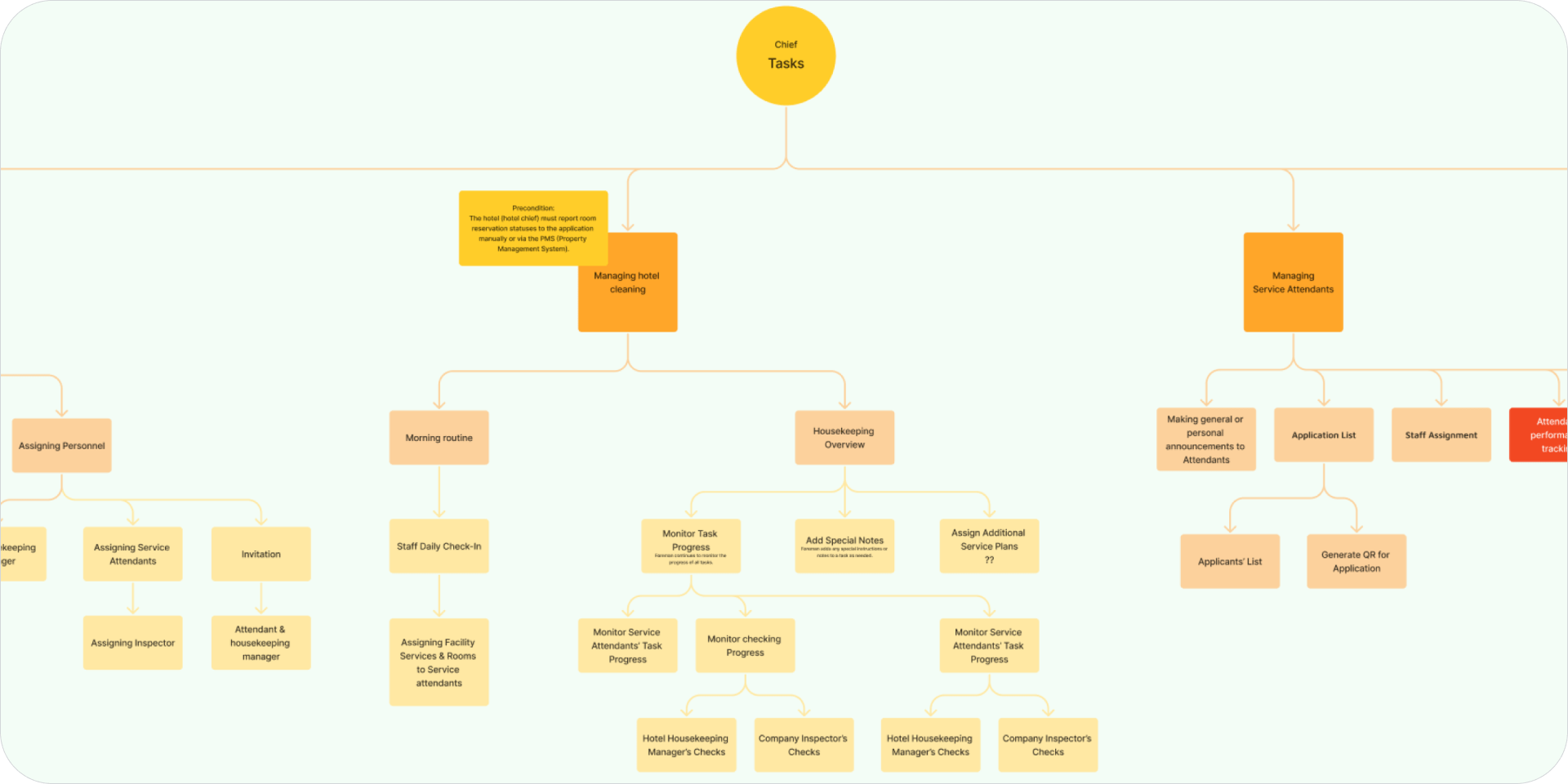
User Journey
ArpClean's user journey involves onboarding, accessing schedules, communicating with stakeholders,
conducting inspections, monitoring performance, and implementing improvements to enhance operational
efficiency for both cleaning companies and hotel clients.
Usability Study
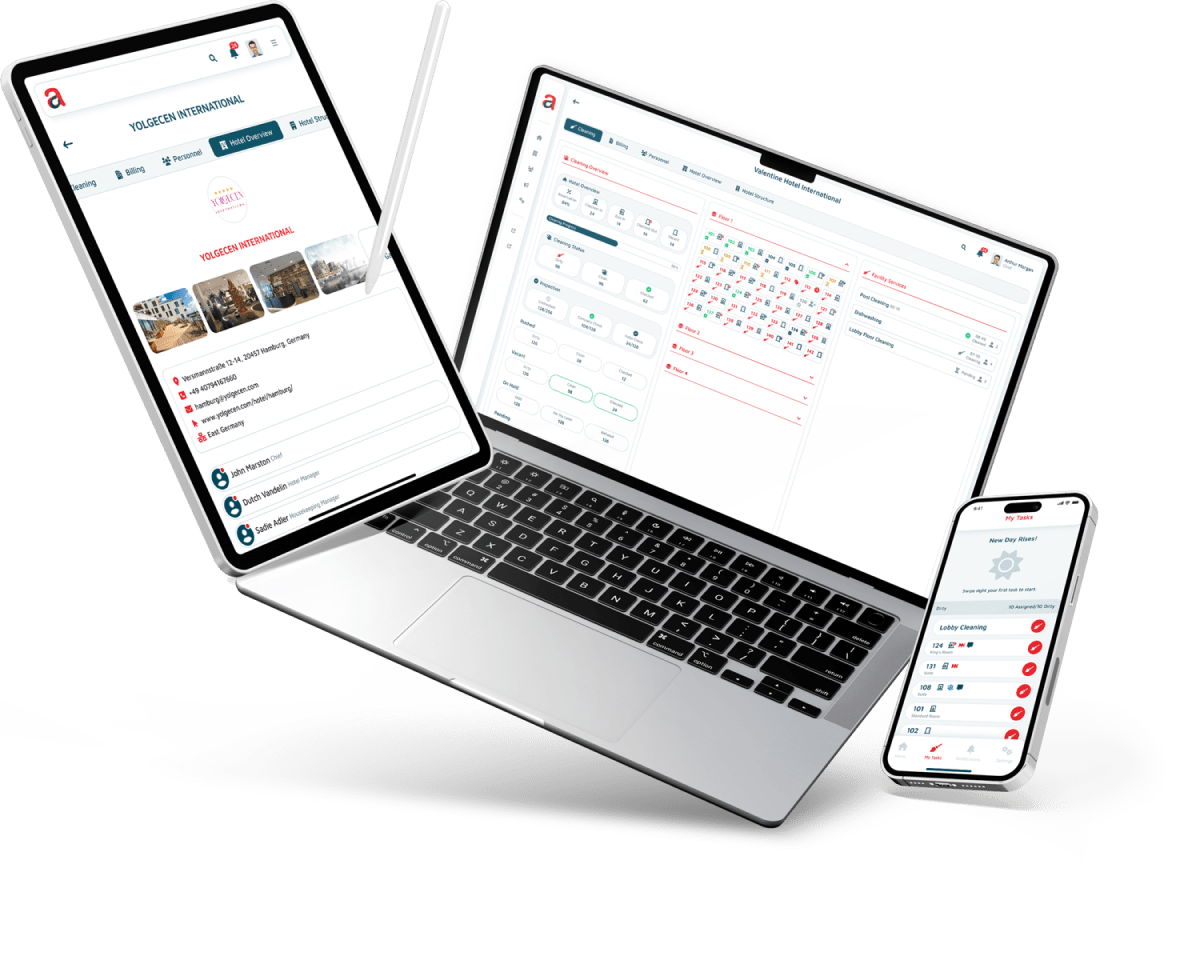
ArpClean's usability study revealed positive feedback on intuitive interfaces and efficient
workflows, with suggestions for enhancing real-time updates and error handling to further improve
operational efficiency and user satisfaction.
Task Efficiency
Users appreciated the efficiency of task management features such as scheduling,
communication, and reporting. However, there were instances where users encountered
difficulties in completing specific tasks efficiently, highlighting the need for further
optimization.
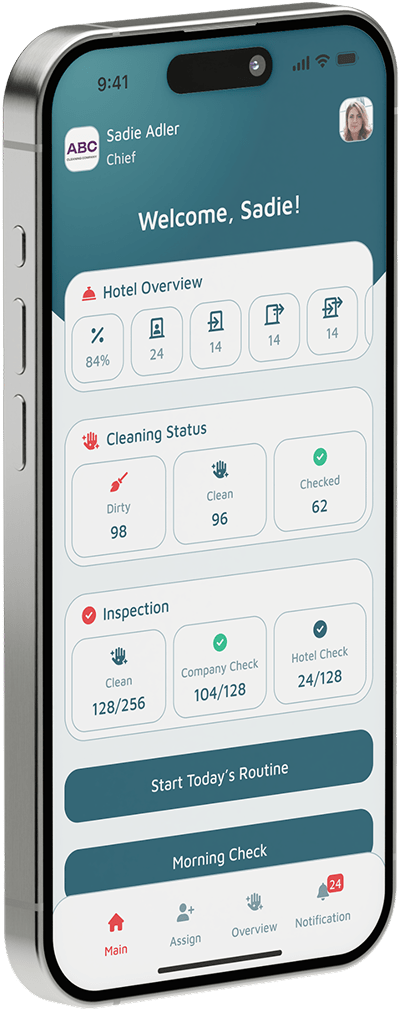
Navigation and Interface Design
Participants generally found the navigation intuitive and easy to use. However, some
suggested improvements in the layout and organization of certain features to enhance
usability, particularly for less experienced users.
Multilingual Support
Participants expressed the importance of multilingual support to accommodate users from
diverse linguistic backgrounds. Feedback suggested the need for seamless language switching
options within ArpClean to ensure that users could navigate and interact with the
application in their preferred language.
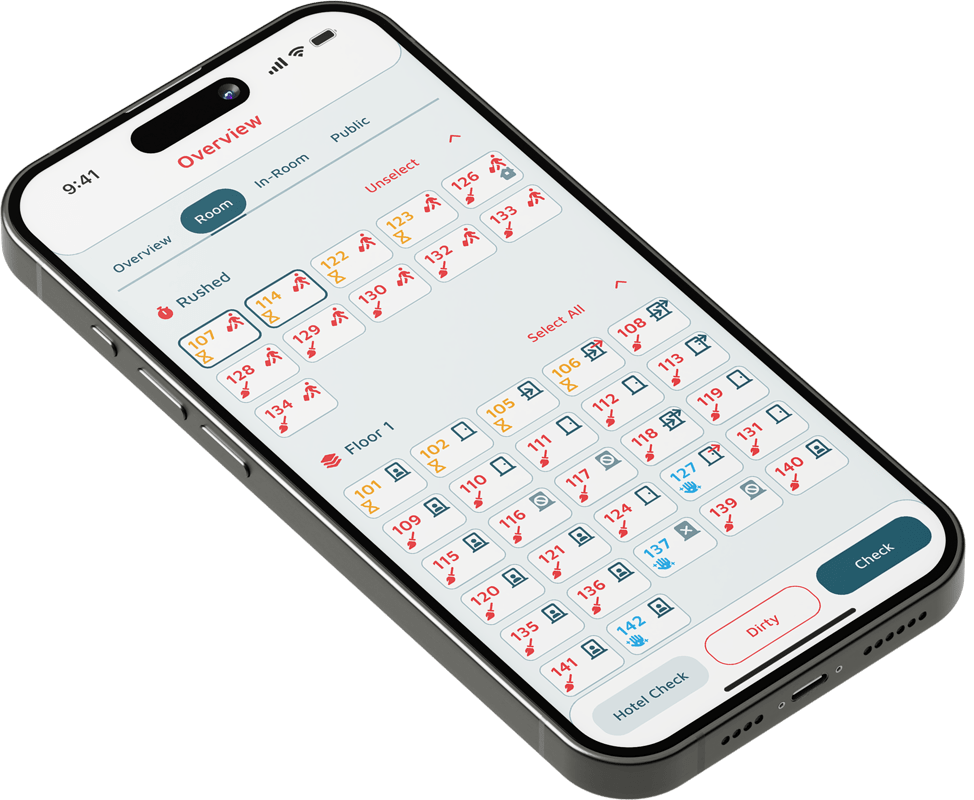
Style Guide
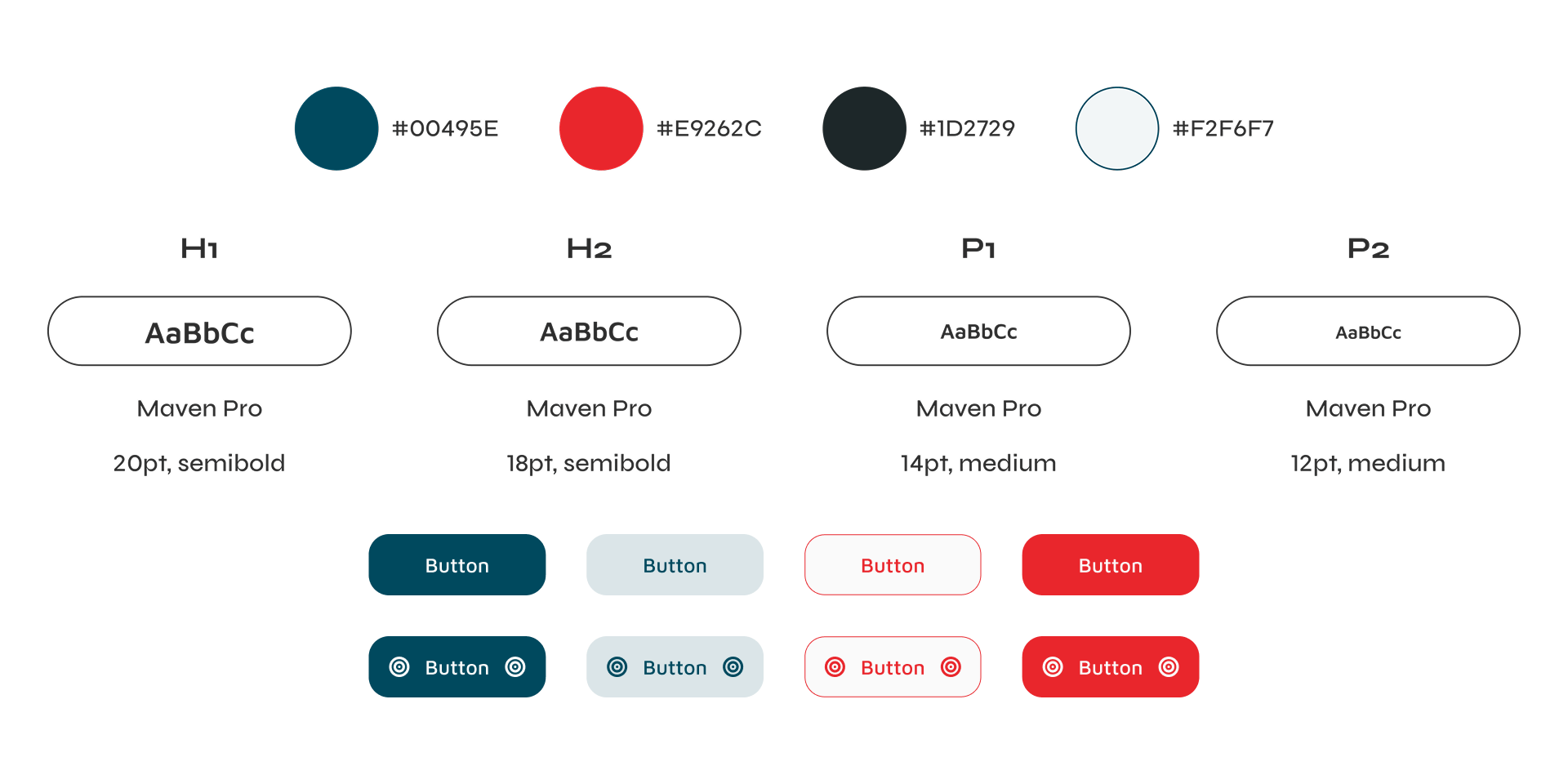
The style guide for ArpClean outlines design principles, color schemes, typography, and iconography
to ensure a consistent and cohesive visual identity. It emphasizes usability, accessibility, and
brand consistency across all interfaces and platforms, enhancing the user experience and reinforcing
ArpClean's brand image.
Takeaways
The research takeaway for ArpClean emphasizes user-centric design, iterative improvement, and
accessibility. By prioritizing user needs, incorporating feedback, and ensuring inclusivity through
multilingual support and accessibility features, ArpClean aims to deliver a user-friendly experience
that drives adoption and success in the market.
Thank You For Listening ArpClean's Story.